Tag: JAMA Psychiatry

Reading of the Week: Alcohol Use Disorder – The NEJM Review; Also, Private Equity & Opioid Treatment and Gee on Refusing Help

From the Editor

When she was admitted for liver cirrhosis – the last hospitalization in her too-short life – no one visited. In her community, the stigma was great. As she grew more and more ill, I asked if she wanted me to call her family to be at the bedside. She simply smiled and said that they were all busy.

Over the years, I have seen many patients like this woman; we all have. Alcohol misuse is common. What’s the best evidence for screening and treatment? Dr. Paul S. Haber (of the University of Sydney) tries to answer that question with a sparkling review, published in The New England Journal of Medicine. His paper is clearly written and draws from more than sixty references. “Alcohol use disorder is a relapsing and remitting medical and psychological disorder that influences physical health, mental health, and social functioning, and continuing care is recommended.” We consider the review and several key take-aways.

In the second selection, David T. Zhu (of Virginia Commonwealth University) and his co-authors analyze the ownership of opioid treatment programs in the United States, with a particular focus on private equity. The research letter, published in JAMA Psychiatry, drew on government data. “This study found that 29.1% of US opioid treatment programs were owned by private equity firms, exceeding private equity penetration in other sectors of health care (range, 2%-11%).”

And in the third selection, columnist Marcus Gee of The Globe and Mail writes about mental illness and patient rights. He discusses a woman in his neighbourhood who has delusions and refuses shelter in the cold weather, convinced that she will soon be offered keys to a new home. “Surely she deserves better. Surely we can do better.”

DG


Continue reading

Reading of the Week: More Therapy, More Inequity? The New JAMA Psych Study; Also, Dr. Reimer on Living with Depression and Generative AI & Biases

From the Editor

What has been the most significant innovation in mental healthcare delivery in recent years? It wasn’t a new medication or therapy, but the widespread adoption of the webcam in 2020. Over the course of a handful of pandemic weeks, psychiatrists and therapists switched to virtual sessions, making it easier for people to receive care, including psychotherapy, unbound by geography, and thus addressing inequity – or, at least, that was the hope. As noted recently in The New York Times: “In the 1990s, teletherapy was championed as a way to reach disadvantaged patients living in remote locations where there were few psychiatrists. A decade later, it was presented as a more accessible alternative to face-to-face sessions, one that could radically lower barriers to care.”

So, are more people receiving psychotherapy? And has this new era of virtual care resulted in better access for all? Dr. Mark Olfson (of Columbia University) and his co-authors attempt to answer these questions in a new paper for JAMA Psychiatry. Drawing on the data of more than 90 000 Americans, they analyzed trends in outpatient psychotherapy in the US, finding more care than ever before. That said, they note greater inequity: “psychotherapy use increased significantly faster among several socioeconomically advantaged groups and that inequalities were evident in teletherapy access.” We consider the study and its implications.

As doctors, we often shy away from discussing our health, especially our mental health – even with our own physicians. This is particularly concerning because doctors have a higher suicide rate than the general population, yet fears of vulnerability, judgment, and stigma keep many of us silent. In this episode of Quick Takes, I sit down with Dr. Joss Reimer, president of the Canadian Medical Association, who openly shares her own experiences with depression, as a doctor and as a patient. “We all need help sometimes.”

And in the third selection, Matthew Flathers (of Harvard University) et al. analyze AI depictions of psychiatric diagnoses in a new paper for BMJ Mental Health. They tested two AI image models with different diagnoses and commented on the results. “Generative AI models acquire biases at every stage of their development – from societal prejudice in online training data, to the optimisation metrics and safety guidelines each developer puts in place. These layered biases persist even when their precise origins remain elusive.”

DG

Continue reading

Reading of the Week: Student Mental Health – the New CJP Paper; Also, Novel Treatment for Alcohol and Kerman & Stergiopoulos on Encampments

From the Editor

He walked into our emergency department late one night. He told me that he felt overwhelmed – not just by his university studies, but by everything. Even getting out of bed was challenging. Like many, his depression began in late adolescence, just as he was starting his engineering program.

What are the experiences of university students with mental health problems? And what can be done to improve them? Nathan King (of Queen’s University) and his co-authors try to answer these questions in a new paper published in The Canadian Journal of Psychiatry. They surveyed more than 4 000 Queen’s students over a five-year period, and did both qualitative and quantitative analyses. They found 30% reported a lifetime mental disorder and 23% had a history of self-harm, yet only 15% accessed care. They make several recommendations including: “Student-tailored mental health literacy may be a sustainable approach to address the attitudinal and practical barriers identified.” We consider the paper and its implications.
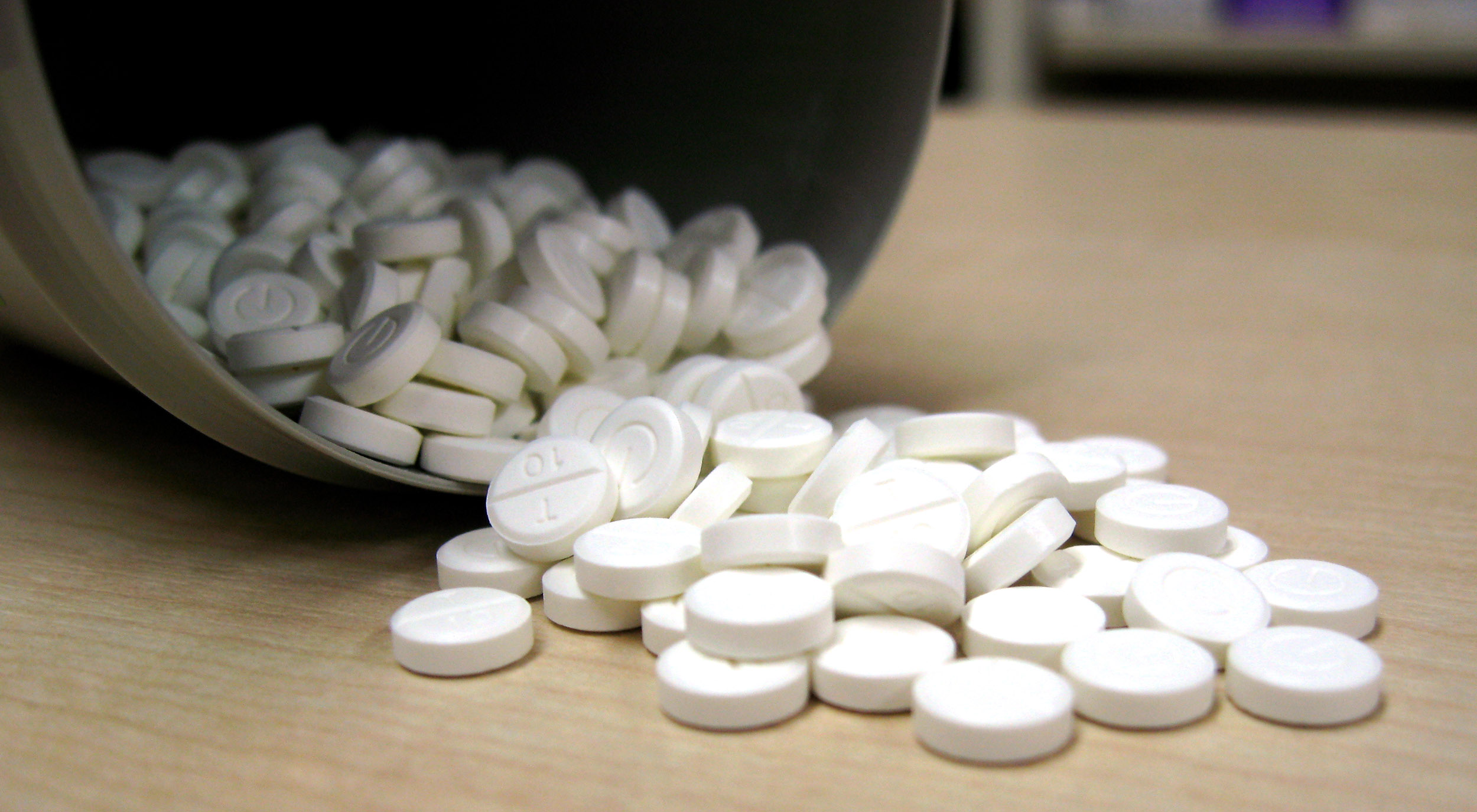
In the second selection, Dr. Markku Lähteenvuo (of the University of Eastern Finland) and his colleagues discuss semaglutide and sister drugs for alcohol use disorder in a JAMA Psychiatry brief report. Drawing on Swedish databases, they compared individuals who took the glucagon-like peptide-1 receptor (GLP-1) agonists to those who didn’t. “Among patients with AUD and comorbid obesity/type 2 diabetes, the use of semaglutide and liraglutide were associated with a substantially decreased risk of hospitalization due to AUD.”

In the third selection, an op ed published in the Toronto Star, Nick Kerman and Dr. Vicky Stergiopoulos (both of the University of Toronto) consider the Ontario government’s plan to end homeless encampments in Canada’s largest province. They suggest an alternative. “Let’s leverage a housing-first intervention, a proven way to get people the housing and support they need.”

The Reading of the Week is going on holidays for the next weeks (or, at least, I am). The next Reading will be 16 January 2025. All the best in the holiday season.

DG

Continue reading

Reading of the Week: ECT & Maintenance – the New JAMA Psych Paper; Also, Social Contagion & Psychiatry and Dr. Julie Trivedi on Resilience

From the Editor

He didn’t get better despite several medication trials. Exhausted and feeling suicidal, he chose ECT. The change was incredible. When he returned to the clinic after discharge – bright and energetic – a member of the outpatient team didn’t recognize him. 

But how can we keep people like my patient well and out of hospital? How strong is the evidence supporting maintenance ECT? Dr. Anders Jørgensen (of the University of Copenhagen) and his co-authors attempt to answer these questions in a new JAMA Psychiatry paper. Drawing on a Danish national database and spanning almost two decades of data, they analyzed outcomes for nearly 20 0000 patients who began ECT, including the risk of hospitalizations. “In this cohort study involving patients who had ECT, continuing ECT was associated with a decreased risk of rehospitalization after the acute ECT series and also associated with reduced treatment costs.” We consider the paper and its implications.

Denmark: a land of islands, picturesque cities, and maintenance ECT

In the second selection, Dr. Joel Paris (of McGill University) ponders the societal increase in psychiatric problems, arguing that social contagion may be a factor. In a new BJPsych Bulletin paper, he focuses on non-suicidal self-injurious behaviour. “When clinical symptoms or mental disorders rapidly increase in prevalence, social contagion should be considered as a likely mechanism shaping changes in the form of psychopathology.”

And in the third selection from JAMA, Dr. Julie B. Trivedi (of The University of Texas System) discusses her depression and its treatment. She notes her hospitalization – and her coming to terms with her illness, as a physician, a parent, and a person. “Today, I am focused on bringing light to topics that are stigmatized, talking about topics like mental health and burnout in health care workers that everyone wants to fix but are without an adequate solution, raising awareness of how to recognize mental health challenges among health care professionals, being an advocate for others, and reminding everyone that help is needed.”

DG

Continue reading

Reading of the Week: Effectiveness of Omega-3 – the New Schiz Bulletin Paper; Also, Weight Loss Meds in Psychiatry & the Latest in the News

From the Editor

When my patient’s father heard that there is some evidence that omega-3 fatty acids can help in the prevention of psychotic illness, he left my office, walked to the pharmacy down the street, and purchased the largest bottle of the fish oil supplement that he could find. It’s hard to fault his logic: omega-3 fatty acids may be helpful and have few side effects. Clinicians have shared this enthusiasm. No wonder: in 2010, a major study found that patients who took it had a lower transition rate to psychosis for those at ultra-high risk. 

But what does the latest evidence say? Are omega-3 fatty acids helpful? In the first selection, Inge Winter-van Rossum (of the Utrecht University) and her co-authors attempt to answer these questions in a paper for Schizophrenia Bulletin. They report on a double-blind, randomized, placebo-controlled study of ultra-high risk (UHR) patients for psychosis who received either omega-3 supplements or placebo for six months, then followed for 18 months. “The transition rate to psychosis in a sample of subjects at UHR for psychosis was not reduced compared to placebo.” We consider the study and its implications.

Pretty pills – but relevant?

In the second selection, Drs. Sri Mahavir Agarwal and Margaret Hahn (both of the University of Toronto) write about semaglutide in a new Viewpoint for JAMA Psychiatry. They note great opportunities, but caution about challenges, including access to that medication. In a thoughtful paper, they review the relevant literature. “Semaglutide and similar drugs represent the culmination of decades of diabetes and obesity research, and their arrival has already resulted in a paradigm shift in the management of these disorders in the general population.”

Finally, we explore the latest news with articles from The Globe and MailTime, and The New York Times. The topics: ADHD and TikTok diagnoses, an app for peer support, and public libraries in a time of homelessness and substance.

DG

Continue reading

Reading of the Week: ED Visits, Hallucinogens & the Risk of Schizophrenia – the New JAMA Psych Study; Also, Alcohol After COVID and Diab on Being Open

From the Editor

For my patient who had tried several antidepressants, psilocybin offered hope. He’s not alone; hallucinogens are gaining attention, with many using them for purposes ranging from treating mental disorders to recreation. But how safe are these drugs, especially as their use increasingly occurs outside of clinical settings? What’s the connection with psychosis?

In the first selection, Dr. Daniel T. Myran (of the University of Ottawa) and his co-authors attempt to answer these questions in a new study published in JAMA Psychiatry. The population-based study included over nine million people who had visited an ED in Ontario, Canada over a 13-year period. The researchers compared individuals with an ED visit involving hallucinogen use to the general population and to those with ED visits involving other substances, analyzing the risk of developing a psychotic disorder. “Individuals with an ED visit involving hallucinogen use had a 21-fold greater risk of developing a schizophrenia spectrum disorder compared with the general population…” We consider the study and its implications.

Substance use rose during the early days of the pandemic. Did this trend change after lockdowns and social isolation ended? Dr. Divya Ayyala-Somayajula (of Thomas Jefferson University) and her co-authors analyzed US data related to alcohol use in a research letter for Annals of Internal Medicine. They compared the prevalence of alcohol use and heavy alcohol use before the pandemic, during the pandemic, and in 2020, finding “absolute increases of 2.7% (relative increase, 4.0%) and 1.0% (relative increase, 20.2%) and that the increases were sustained in 2022.”

And in the third selection, writer Saddal Diab discusses her decision to publicly acknowledge her mental disorder. Though people were initially supportive, things changed when she has a manic episode. She considers stigma and acceptance in this Globe and Mail essay. “Whatever gushy feelings had surfaced when I came out did not withstand the reality of mania. This left me feeling ashamed, deserted and questioning the nature of my relationships (which I concluded were flimsier than I had anticipated).”

DG

Continue reading

Reading of the Week: Culturally-Adapted CBT for Postnatal Depression – the New Lancet Study; Also, ADHD in Adults (JAMA Psych) and the Latest in the News

From the Editor

She was offered CBT through our outpatient program. Though we encouraged her to come, she didn’t even attend one session. Was the problem partly with the rigidity of our program which wasn’t tailored to her cultural background or language? Can we do better? 

Dr. Nusrat Husain (of the University of Manchester) and his co-authors attempt to answer these questions in a new RCT published in The Lancet. In their study, British south Asian women with postnatal depression were randomized to a culturally-adapted form of CBT or treatment as usual. “Participants in the [intervention] group were estimated to be almost twice as likely to have recovered at 4 months than those in the control group.” We consider the paper, the accompanying Comment, and the implications for clinical care.

In the second selection, Drs. Carlos Blanco (of the National Institutes of Health) and Craig B. H. Surman (of Harvard University) write about ADHD for adults. In a new JAMA Psychiatry Viewpoint, they argue that more needs to be done, especially given the adverse outcomes of untreated ADHD. “A tension exists between undertreatment of adults with ADHD and overuse of addictive treatments for the condition.”

Finally, we explore the latest news with recent articles from The Washington PostThe Globe and Mail, and The New York Times. The topics: ChatGPT for psychotherapy, the generosity of Bruce McKean, and the street psychiatry in LA.

DG

Continue reading

Reading of the Week: Antipsychotics – the New, the Old & the Patient Experience, with Papers from JAMA Psych, BJP and Schiz Bulletin

From the Editor

“FDA approves a novel drug for schizophrenia, a potential ‘game changer’”

– The Washington Post

“Will ‘Game Changer’ Antipsychotic Live Up to the Hype?”

– Medscape

Two weeks ago, for the first time in decades, the FDA approved an antipsychotic for schizophrenia with a novel mode of action. What does the data show for this medication, xanomeline-trospium chloride? Is it a “game changer” as some headlines suggest? 

In the first selection, Dr. Inder Kaul (of Karuna Therapeutics) and his co-authors report on a double-blind, randomized, placebo-controlled trial that was published in JAMA Psychiatry. 256 people with schizophrenia were given the antipsychotic or the placebo and followed for five weeks. “Xanomeline-trospium was efficacious and well tolerated in people with schizophrenia experiencing acute psychosis.” We consider the study and its implications.

In contrast to this week’s first selection, the second selection looks at an older antipsychotic: clozapine. Drawing on Canadian databases, Lloyd Balbuena (of the University of Saskatchewan) and his co-authors put the risks and benefits of this medication in a new light in a paper for The British Journal of Psychiatry. They analyzed data on admissions and adverse events, with almost 50 000 participants. “Clozapine was associated with lower relapse overall, but this was accompanied by higher adverse events for adults. For children/youth, clozapine was associated with lower relapse all throughout and had no difference in adverse events compared with other antipsychotics.”

And in the third selection, Susan Weiner writes about antipsychotics for Schizophrenia Bulletin. She discusses her first psychotic break, her long journey, and her ultimate recovery. In a personal essay, she also describes the connection she made with her psychiatrist and the medication that transformed her life. “The right medicine for the right person can produce sanity like a miracle drug, and all is once again bright.”

DG

Continue reading

Reading of the Week: Ten Great Papers; Also, Mindfulness’s Untapped Potential (JAMA Psych) and the FDA Approves an Antipsychotic (Nature)

From the Editor

It’s the 10th anniversary of the Reading of the Week. The program has grown and evolved over this past decade, now reaching psychiatrists and residents internationally, but the core idea – timely summaries of the latest in the literature coupled with commentary – hasn’t changed. To mark the anniversary, we look at some important papers that we have covered in the past ten years.

Last week: ten papers that I think about often (and helped change my clinical work).

This week: ten papers that I think about often (and helped change the way I view mental illness).

*      *      *

In the second selection, Jesus Montero-Marin (of the University of Oxford) and his co-authors consider mindfulness-based cognitive therapy in a new Viewpoint for JAMA Psychiatry. Noting the burden of depression, they see this therapy as being helpful, especially for those with “entrenched” depression. “By leveraging translational science, we can enhance access, engagement, and treatment outcomes for depression. This work uses MBCT as a foundational case study and delineates future research directions with the potential to profoundly impact service design and policy.”

And in the third selection, journalist Elie Dolgin reports on the new FDA-approved schizophrenia medication for Nature. He describes the novel mechanism of action and quotes Christoph Correll (of Hofstra University): “This will be a revolution of the treatment of psychosis, and I’m not saying this lightly. Now we will now be able to treat people who haven’t been helped with traditional antipsychotics.”

DG

Continue reading

Reading of the Week: Brief CBT for Suicidal Inpatients – the New JAMA Psych Study; Also, Medicaid & Access, and Dr. Yager on Turning Off the Lights

From the Editor

After a suicide attempt, he was admitted through our ED. The hospitalization has been helpful: we changed his medications; the family is now more understanding of his problems; he has worked on safety planning with the team. However, could more be offered? It’s a relevant question – particularly for someone like me (I’ve worked on inpatient wards for most of my career).

In the first selection from JAMA Psychiatry, Gretchen J. Diefenbach (of Yale University) and her co-authors describe a randomized clinical trial involving 200 inpatients who received either the usual care or a focused CBT, tailored for short admissions. The one common factor: all participants had had a suicide attempt in the week prior to admission or current suicidal ideation along with a suicide attempt in the past two years. “Brief cognitive behavioral therapy–inpatient reduced 6-month post-discharge suicide reattempts and rate of readmissions when added to treatment as usual.” We discuss the paper and the clinical implications.

Inpatient care: preventing suicide with CBT?

How accessible is mental healthcare in the US? In the second selection, Dr. Diksha Brahmbhatt and William L. Schpero (both of Cornell University) look at Medicaid recipients and psychiatric appointments in a research letter for JAMA. Using a “secret shopper” approach, they contacted clinicians in four cities, trying to book a psychiatric appointment for those covered by the public program. “In the largest Medicaid managed care plans across 4 of the largest US cities, only 17.8% of clinicians listed as in-network for Medicaid were reachable, accepted Medicaid, and could provide a new patient appointment.”

And in the third selection, Dr. Joel Yager (of the University of Colorado), a retired psychiatrist, writes personally in a piece for JAMA. In his later years, Dr. Yager’s father helped his older friends and neighbours with the burden of aging, including visiting them in hospitals when they were ill. Now, he is doing what his father did. “After all, someone has to be around to put out the lights.”

This month, the Reading of the Week celebrates its 10th anniversary. A quick word of thanks for the ongoing interest. I’ll reflect more in the coming weeks.

DG

Continue reading