How does ChatGPT compare to a human therapist for CBT? How often is lithium – arguably the gold standard medication for bipolar disorder – prescribed in Canada? Do young patients do as well as adults with psychotherapy?
In the coming weeks, we will look at papers that attempt to answer these important questions. But today’s Reading is the last one before the Labour Day weekend.
Instead, in a break from our usual format, I offer a few things you may choose to read from a comfortable chair by a lake or, perhaps, in the quiet of a call room if you are working (and a quick thanks to my colleagues for covering my inpatients this long weekend).
This week, there are no detailed descriptions nor commentary. I provide short summaries and an invitation to read one, two, or three of these longer pieces.
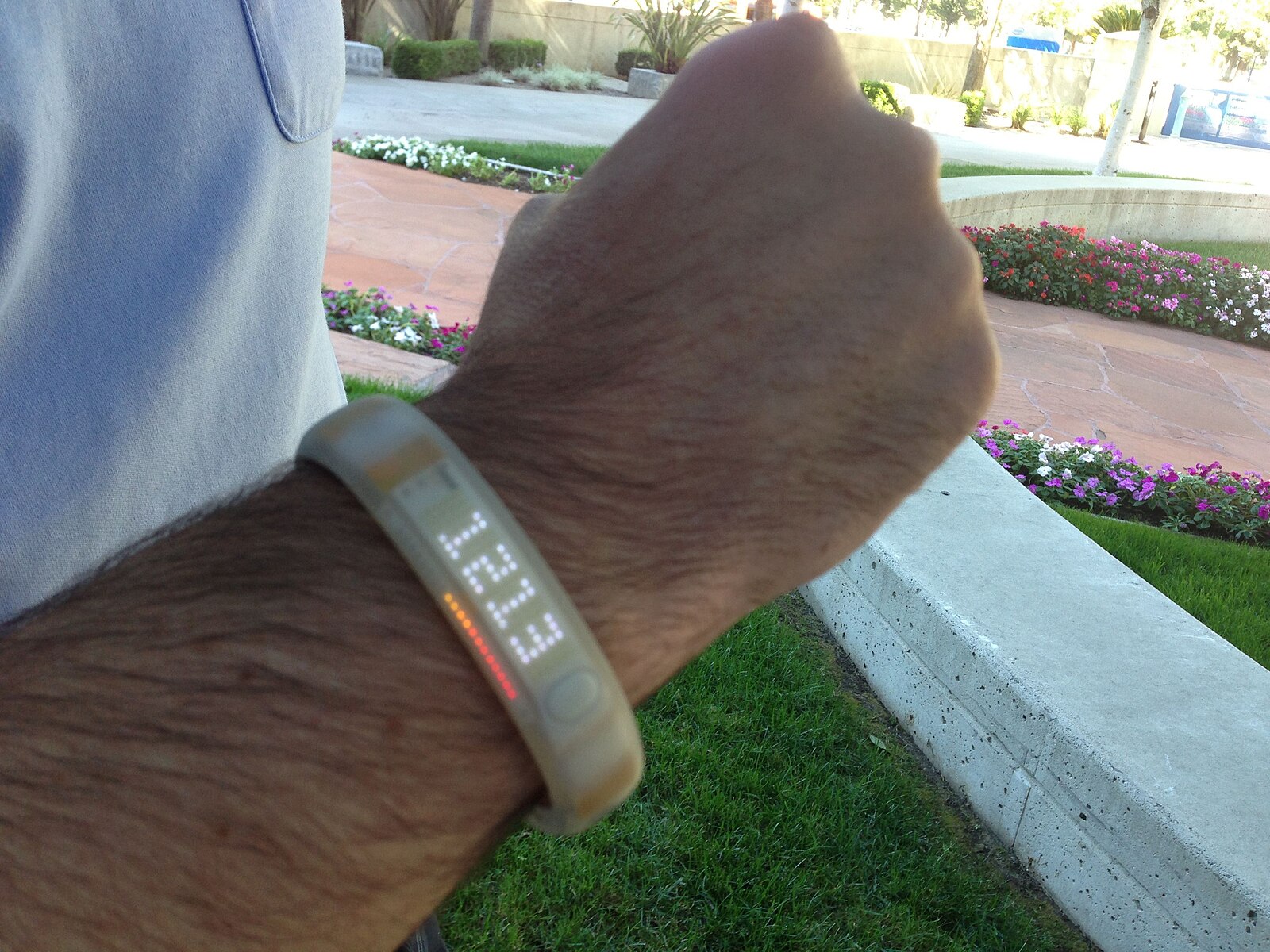
In the first selection, Ding Ding (of The University of Sydney) and her co-authors attempt to answer that question in a new, clever study for The Lancet Public Health. They did a systematic review and meta-analysis involving 57 studies that looked at daily step count and health outcomes, including depression. “Although 10 000 steps per day can still be a viable target for those who are more active, 7 000 steps per day is associated with clinically meaningful improvements in health outcomes and might be a more realistic and achievable target for some.” We consider the paper and its implications.
5 787 more steps needed?
In the second selection, Isabelle Toler and Lindsey Grubbs (both of Case Western Reserve University) look at medical records and language in a paper for The New England Journal of Medicine. In a unique approach, they observe themes in the TikTok videos of patients who are frustrated by what their physicians have written about them. “In the context of a system of medical documentation in which patients have little power to shape their own narratives, clinicians should respect the channels they have chosen to use to share their stories and listen to the messages they convey.”
And in the third selection, psychologist Harvey Lieberman reflects on therapy and ChatGPT in an essay for The New York Times. As a therapist and an octogenarian, he is skeptical of the therapeutic aspects of ChatGPT – but, with use, he partly changes his mind. “I concluded that ChatGPT wasn’t a therapist, although it sometimes was therapeutic. But it wasn’t just a reflection, either.”
Even with medications, the voices tormented him. My patient explained that his every move was commented on.
In avatar therapy, patients engage audiovisual representations of their voices, with the goal of reducing their influence. In the first selection, a new paper from Lancet Psychiatry, Lisa Charlotte Smith (of the University of Copenhagen) and her co-authors look at a new form of avatar therapy, with an immersive 3D experience. In this RCT, participants had enhanced usual care or the therapy; the severity of auditory hallucinations was then measured at 12 weeks. “Challenge-VRT showed short-term efficacy in reducing the severity of auditory verbal hallucinations in patients with schizophrenia, and the findings support further development and evaluation of immersive virtual reality-based therapies in this population.” We consider the paper and its implications.
In the second selection, Dr. Mark Ainsley Colijn (of the University of Calgary) writes about psychosis and rare genetic variation. In a Canadian Journal of Psychiatry paper – part of the new Clinician’s Corner series – he offers suggestions for antipsychotic meds. “When providing care for individuals with psychosis occurring on the background of rare genetic variation, psychiatrists should take the time to educate themselves accordingly to ensure the safe and rational prescribing of antipsychotic medications in this population.”
And in the third selection, from JAMA, Dr. Kumara Raja Sundar (of Kaiser Permanente Washington) comments on patients who use ChatGPT. The author, a family doctor, notes that many physicians can be paternalistic – but he urges against that instinct. “If patients are arming themselves with information to be heard, our task as clinicians is to meet them with recognition, not resistance. In doing so, we preserve what has always made medicine human: the willingness to share meaning, uncertainty, and hope, together.”


Recent Comments