Tag: Horton

Reading of the Week: School-based CBT for Teens – the New Lancet Psych Study; Also, Rural vs Urban Readmissions, and Dr. Horton on Fighters (and Biden)

From the Editor

Though many years have passed, he clearly remembers his first depressive episode, which occurred before his 18th birthday. My patient often wonders how things could have been different had he been offered care earlier. School-based initiatives are much discussed – indeed, they are having a moment. Public schools, for example, in New York City, offer students a few minutes daily of teacher-led mindful breathing. Such efforts are unlikely to yield significant results, in part because they lack focus.

What if we offered psychotherapy skills to interested high school students? Could it help alleviate symptoms of mood and anxiety? Would it be cost effective? June Brown (of King’s College London) and her co-authors address these questions in a new study just published in The Lancet Psychiatry. They report on a randomized controlled trial involving 900 UK adolescents who self-referred and received CBT or treatment-as-usual. “[T]he DISCOVER intervention is modestly clinically effective and economically viable and could be a promising early intervention in schools.” We consider the paper and its implications.

In the second selection, drawing on US data, Hefei Wen (of Harvard University) and co-authors examine hospital readmissions in the United States for mental health. In this new research letter published in JAMA Psychiatry, they find that rural readmissions – historically lower than urban ones – now exceed their urban counterparts. “This reversal and worsening of rural and urban gaps in mental health readmission was primarily concentrated in schizophrenia spectrum and other psychotic disorders, bipolar and related disorders, and depressive disorders.”

And in the third selection from the Los Angeles Times, Dr. Jillian Horton (of the University of Manitoba) discusses time, aging, and resilience in a personal essay. Our internist colleague touches on the debate over the US president and his health but focuses on the story of her sister, who faced major problems after neurosurgery. She notes that her sister was able to “beat the odds” many times, until she couldn’t. “[W]e can’t change the reality of what comes next.”

DG
Continue reading

Reading of the Week: Cannabis & Cannabinoids in Psychiatry – the New AJP Paper; Also, Dr. Jillian Horton on Her Burnout & Recovery (QT)

From the Editor

It’s popular – but is it actually helpful?

With legalization, cannabis is readily available. Not surprisingly, our patients are increasingly trying it. But what’s the latest evidence? In the first selection, we consider a new paper that was just published by The American Journal of Psychiatry. Dr. Kevin P. Hill (of Harvard University) and his co-authors review almost 850 papers and comment on everything from the potential therapeutic effects of cannabis to clinician guidance. “There is little data indicating that cannabinoids are helpful in treating psychiatric illness, while there is considerable evidence that there is potential for harm in vulnerable populations such as adolescents and those with psychotic disorders.” We consider the big paper and its clinical implications.

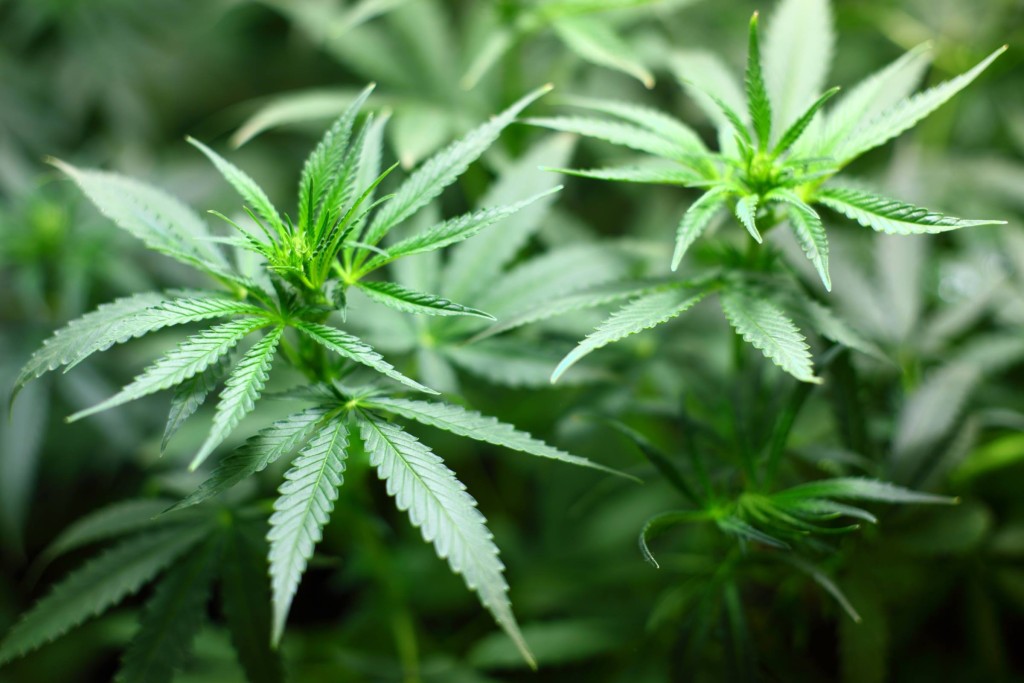
marijuana_cannabis_plant

In this week’s second selection, we mull physicians and burnout. Dr. Jillian Horton (of the University of Manitoba) joins me for a Quick Takes podcast interview. We discuss burnout, mindfulness, and recovery. She comments on her own burnout: “I would get home at the end of my long shifts on the wards, and I would have nothing left. Nothing left for myself, nothing left for my spouse, nothing left for my children.”

Please note that there will be no Readings for the next two weeks. We will return in early January with the best of 2021.

DG

Continue reading

Reading of the Week: Are Those with Mental Illness at More Risk of COVID? Also, a Podcast on Apps (QT) and Horton on Advocacy & Doctors (Macleans)

From the Editor

Are people with mental illness more likely to contract COVID-19? Are they at greater risk of dying?

With the pandemic in its eighth month, we think we have answers to these questions, but data is lacking. In the first selection, we consider a new paper, just published in World Psychiatry. QuanQiu Wang (of Case Western Reserve) and her co-authors analyzed a nation‐wide database of electronic health records of 61 million American patients, aiming to assess the impact of mental illness. “These findings identify individuals with a recent diagnosis of a mental disorder as being at increased risk for COVID‐19 infection, which is further exacerbated among African Americans and women, and as having a higher frequency of some adverse outcomes of the infection.”

coronavirus-covid-19-updates-for-canadians

In the second selection, we consider a new podcast discussing digital tools. I talk with Dr. John Torous (of Harvard University). We discuss apps and mental health. And, yes, he has tips on how to pick apps for your patients and their families.

Finally, in the third selection, we look at a new essay by Dr. Jillian Horton (of the University of Manitoba). Should doctors “stay in their lanes?” She argues against the idea, championing a new activism. “So, to my brothers and sisters in medicine: forget about staying in our lane. This is our call to flood the freeways. We cannot stay parked in neutral. There is no more time.”

Please note: there will be no Reading next week.

DG

Continue reading

Reading of the Week: Psychotherapy at a Distance; Also, Rakoff Remembered (Globe) and Horton on Her Brother (LA Times)

From the Editor

Mental health care has markedly changed since the pandemic began. What is the impact of COVID-19 on psychotherapy?

This week, we have three selections.

In the first, published in The American Journal of Psychiatry, Dr. John C. Markowitz (of Columbia University) and his co-authors write about psychotherapy and virtual care. The paper reviews the literature and also considers practical considerations. They note: “Therapists should acknowledge the crisis, and perhaps that teletherapy is a limited substitute for more direct contact.”

computer-image

In the second selection, reporter Wency Leung writes about Dr. Vivian Rakoff, who died earlier this month. In the Globe obituary, Leung writes about his various roles, including as psychiatrist-in-chief of the Clarke Institute (now part of CAMH). “To the many he inspired, he is remembered for his extraordinary intellect, kindness, sense of wonder and the agility with which he wove together ideas from a vast range of disciplines, from classic literature and philosophy to politics and pop culture.”

Finally, in our third selection, we consider an essay by Dr. Jillian Horton (of the University of Manitoba). In this LA Times essay, the internist writes about her brother and his mental illness, discussing the emotional and geographic distance of their relationship. “My brother died 40 years ago and he died in April.”

DG

Continue reading