Tag: semaglutide

Reading of the Week: Antidepressant Discontinuation – the New JAMA Psych Study; Also, Obesity Meds and Nazaryan on His Father’s Depression

From the Editor

“New Research Questions Severity of Withdrawal From Antidepressants”

– The New York Times

“Antidepressant Pullback Symptoms Fewer Than Thought, Study Shows”

–  Bloomberg

Millions of North Americans take antidepressants – about one in seven Canadians – yet these medications remain controversial. A 2019 Lancet Psychiatry study, which drew heavily from online surveys, found that roughly half of patients who quit these meds experienced severe withdrawal symptoms, sparking much debate – and many, many questions from our patients.

How common are discontinuation symptoms? Which one is most commonly experienced? Michail Kalfas (of King’s College London) and his co-authors attempt to answer these questions with a new JAMA Psychiatry paper. They did a systematic review and meta-analysis by analyzing 50 studies involving almost 18 000 people. “This systematic review and meta-analysis indicated that the mean number of discontinuation symptoms at week 1 after stopping antidepressants was below the threshold for clinically significant discontinuation syndrome.” We consider the paper and its implications.

Celebrities use them; politicians discuss them; our patients ask about them. Are semaglutide and sister drugs game changers for those with mental health problems who struggle with obesity? To explore the opportunities and challenges of these new medications, in a new episode of Quick Takes, I speak with Dr. Mahavir Agarwal (of the University of Toronto), Lisa Schaefer (of Obesity Canada), and Dr. Sanjeev Sockalingam (of the University of Toronto). “Imagine a world where you have all the effects of antipsychotics, but none of the side effects.”

Finally, in the third selection, journalist Alexander Nazaryan discusses his father’s mental illness and its impact on his life. In a deeply personal essay for The New York Times, he notes the long shadow of illness. “My father never got to become a famous physicist or see his son go to M.I.T. Worse, he couldn’t ask for help until it was too late.”

DG

Continue reading

Reading of the Week: Substance – with New Papers from JAMA Psych, Netw Open & Brookings; Also, the Latest in the News

From the Editor

For many of our patients, the pull of alcohol can be strong with devastating effects. In recent months, semaglutide, better known for its weight-loss properties, has generated some buzz. Could semaglutide help those with alcohol problems?

In the first selection, Christian S. Hendershot (of the University of Southern California) and his co-authors attempt to answer that question in a new paper for JAMA Psychiatry. They conducted an RCT with 48 participants randomized to semaglutide or placebo over nine weeks, measuring alcohol consumption and craving outcomes, and finding that people taking semaglutide consumed less alcohol by some measures. “These findings provide initial prospective evidence that low-dose semaglutide can reduce craving and some drinking outcomes, justifying larger clinical trials to evaluate GLP-1RAs for alcohol use disorder.” We consider the paper and its implications.

In the second selection, Joshua L. Gowin (of the University of Colorado) and his co-authors explore the impact of heavy lifetime and recent cannabis use on brain function in a new paper for JAMA Network Open. They analyzed data from more than 1 000 young adults, including brain imaging, focusing on tasks administered during fMRIs sessions. “Cannabis use is associated with short- and long-term brain function outcomes, especially during working memory tasks.”

Finally, we explore the latest news with articles from The New York Times and The Free Press, and a new report from the Brookings Institution. The topics: Oregon’s decriminalization, Robert F. Kennedy’s nomination, and decriminalization across North America.

DG

Continue reading

Reading of the Week: Student Mental Health – the New CJP Paper; Also, Novel Treatment for Alcohol and Kerman & Stergiopoulos on Encampments

From the Editor

He walked into our emergency department late one night. He told me that he felt overwhelmed – not just by his university studies, but by everything. Even getting out of bed was challenging. Like many, his depression began in late adolescence, just as he was starting his engineering program.

What are the experiences of university students with mental health problems? And what can be done to improve them? Nathan King (of Queen’s University) and his co-authors try to answer these questions in a new paper published in The Canadian Journal of Psychiatry. They surveyed more than 4 000 Queen’s students over a five-year period, and did both qualitative and quantitative analyses. They found 30% reported a lifetime mental disorder and 23% had a history of self-harm, yet only 15% accessed care. They make several recommendations including: “Student-tailored mental health literacy may be a sustainable approach to address the attitudinal and practical barriers identified.” We consider the paper and its implications.

In the second selection, Dr. Markku Lähteenvuo (of the University of Eastern Finland) and his colleagues discuss semaglutide and sister drugs for alcohol use disorder in a JAMA Psychiatry brief report. Drawing on Swedish databases, they compared individuals who took the glucagon-like peptide-1 receptor (GLP-1) agonists to those who didn’t. “Among patients with AUD and comorbid obesity/type 2 diabetes, the use of semaglutide and liraglutide were associated with a substantially decreased risk of hospitalization due to AUD.”

In the third selection, an op ed published in the Toronto Star, Nick Kerman and Dr. Vicky Stergiopoulos (both of the University of Toronto) consider the Ontario government’s plan to end homeless encampments in Canada’s largest province. They suggest an alternative. “Let’s leverage a housing-first intervention, a proven way to get people the housing and support they need.”

The Reading of the Week is going on holidays for the next weeks (or, at least, I am). The next Reading will be 16 January 2025. All the best in the holiday season.

DG

Continue reading

Reading of the Week: Effectiveness of Omega-3 – the New Schiz Bulletin Paper; Also, Weight Loss Meds in Psychiatry & the Latest in the News

From the Editor

When my patient’s father heard that there is some evidence that omega-3 fatty acids can help in the prevention of psychotic illness, he left my office, walked to the pharmacy down the street, and purchased the largest bottle of the fish oil supplement that he could find. It’s hard to fault his logic: omega-3 fatty acids may be helpful and have few side effects. Clinicians have shared this enthusiasm. No wonder: in 2010, a major study found that patients who took it had a lower transition rate to psychosis for those at ultra-high risk. 

But what does the latest evidence say? Are omega-3 fatty acids helpful? In the first selection, Inge Winter-van Rossum (of the Utrecht University) and her co-authors attempt to answer these questions in a paper for Schizophrenia Bulletin. They report on a double-blind, randomized, placebo-controlled study of ultra-high risk (UHR) patients for psychosis who received either omega-3 supplements or placebo for six months, then followed for 18 months. “The transition rate to psychosis in a sample of subjects at UHR for psychosis was not reduced compared to placebo.” We consider the study and its implications.

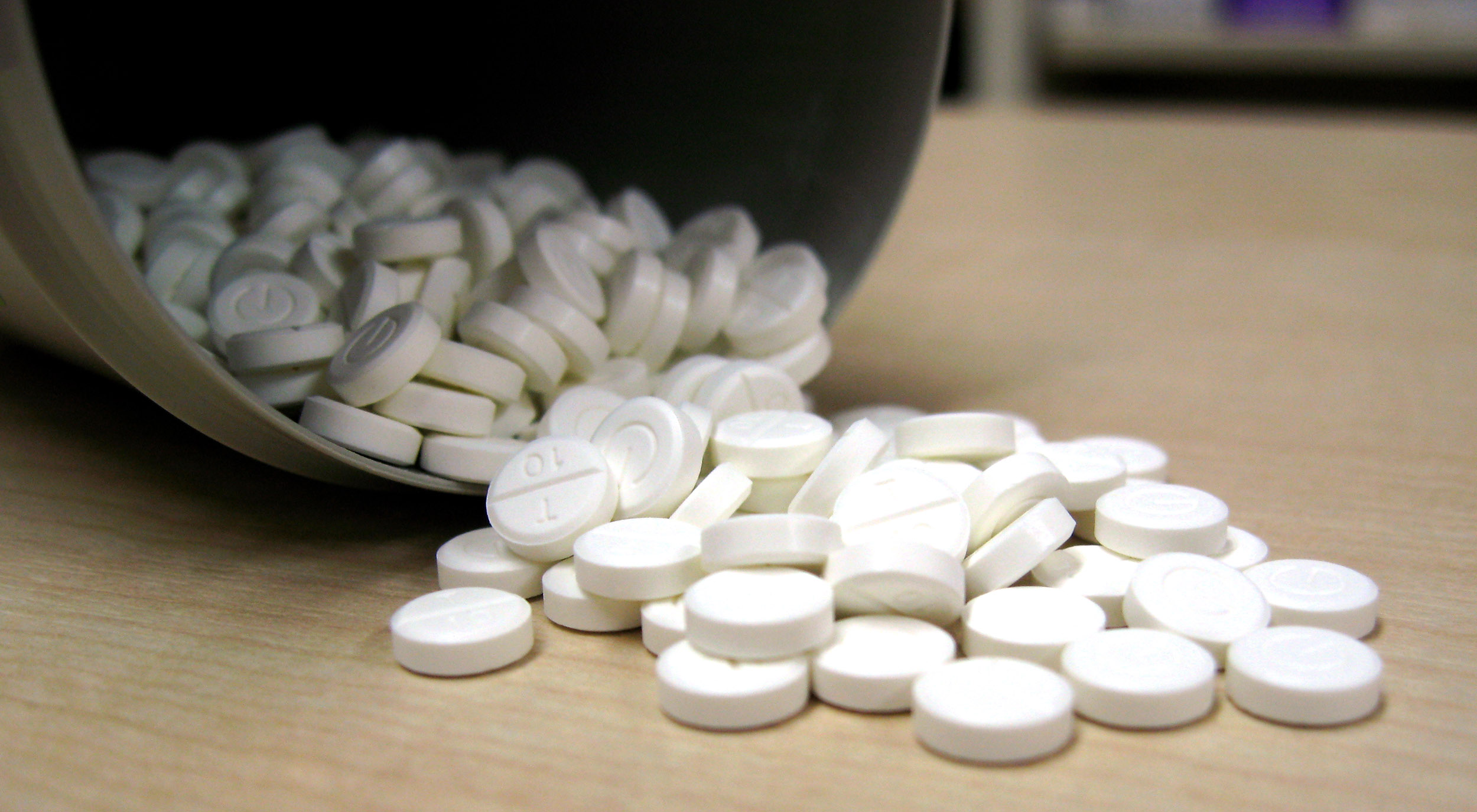
Pretty pills – but relevant?

In the second selection, Drs. Sri Mahavir Agarwal and Margaret Hahn (both of the University of Toronto) write about semaglutide in a new Viewpoint for JAMA Psychiatry. They note great opportunities, but caution about challenges, including access to that medication. In a thoughtful paper, they review the relevant literature. “Semaglutide and similar drugs represent the culmination of decades of diabetes and obesity research, and their arrival has already resulted in a paradigm shift in the management of these disorders in the general population.”

Finally, we explore the latest news with articles from The Globe and MailTime, and The New York Times. The topics: ADHD and TikTok diagnoses, an app for peer support, and public libraries in a time of homelessness and substance.

DG

Continue reading