Tag: daylight savings time

Reading of the Week: Public Policy & Mental Health – Daylight Saving Time (CMAJ) & Opioids (JAMA); and Lopez on Wyoming & Suicides

From the Editor

This week, the three selections look at the intersection of mental health and public policy.

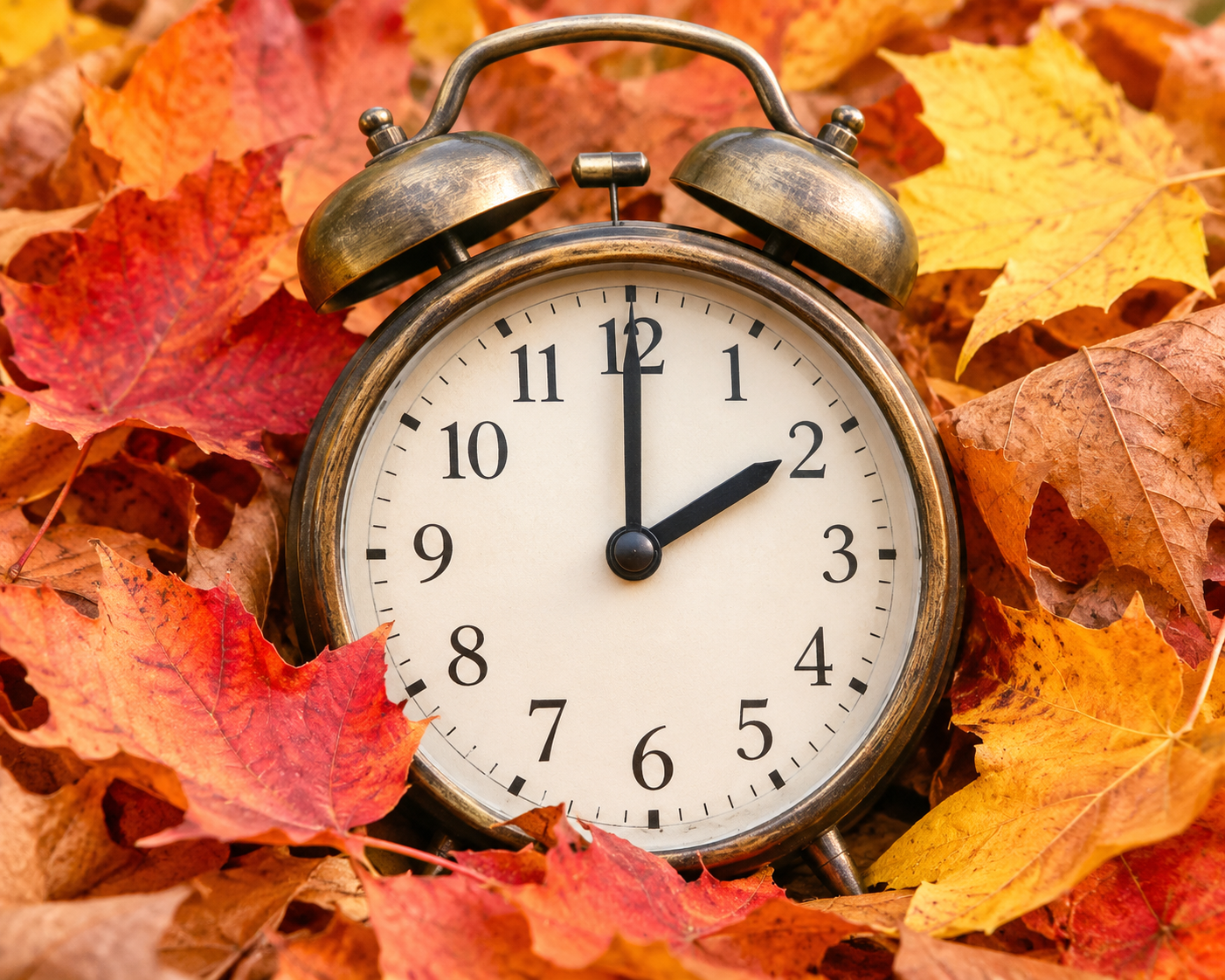
With daylight saving time ending, many North Americans set their clocks back an hour this past Sunday morning, seemingly gaining an extra hour. But several jurisdictions have ended “spring forward, fall back,” instead choosing permanent daylight saving time. What are the effects on mental and physical health? In the first selection, Dr. Raymond W. Lam (of the University of British Columbia) and his co-authors attempt to answer that question with an impressive CMAJ paper with 42 references and two tables. “Ending biannual clock adjustments may eliminate transition harms that last a few weeks, but the health effects of permanent time are likely to be chronic.”
In the second selection, a research letter published in JAMA, Dr. Lyna Z. Schieber (of the Centers for Disease Control and Prevention) and her co-authors analyzed US pharmacy data to better understand opioid dispensing in recent years. They report some good news, in part because of federal and state legislative changes: “Opioid dispensing continued to decline through 2025, extending more than a decade-long downward trend in the United States since its peak in 2012.”

Finally, in the third selection, German Lopez writes about suicides in Wyoming in the New York Times. His excellent essay describes a state facing a major problem: its suicide rate is double the US national average. He writes about the different people he has met, noting a general reluctance to talk about mental health. He also describes legislative reforms that would help. “If the state wants to lose its status as one of the worst for suicides, something has to change.”

DG

Continue reading

Reading of the Week: When Does Grief Become a Disorder? The Lancet Review; Also, Time to End Daylight Saving Time? And Dr. Hickey on Her Anxiety

From the Editor

After the unexpected loss of his spouse, my patient sank deeply into grief. He was tearful during our sessions, explaining that a part of him had died, too. Weeks turned to months. Was this a normal response to a profound loss? Or something more problematic? DSM-5 seeks to clarify the issue by recognizing prolonged grief disorder – though the disorder is controversial and has attracted much criticism. When The New York Times covered the topic in 2022, Joanne Cacciatore (of Arizona State University) commented: “I completely, utterly disagree that grief is a mental illness.”

Clare Killikelly (of the University of Zurich) and her co-authors shed light on prolonged grief disorder with a new review, just published in The Lancet. They write about the disorder, the differences from grief, its treatment, and more, drawing on 142 citations. “Grief is a universal experience. However, for a minority of individuals, grief becomes a debilitating, devastating mental health disorder with serious implications on a personal and societal level.” We examine the review, highlight four take-aways, and reflect on the broader debate.

Spring forward, fall back. Twice a year, we adjust our clocks (and our brains) to and from daylight saving time. In the second selection, Dr. David Dongkyung Kim (of the University of Toronto) and his co-authors argue that daylight saving time should be eliminated. In their JAMA Commentary, they draw on the literature. “Daylight saving time transitions cause acute disruptions in human circadian rhythm, and the medical literature shows detrimental effects for public health.”

Finally, in the third selection, Dr. Joanne Hickey (of Memorial University) discusses anxiety and her expectations. In a personal CMAJ paper, the hematologist reflects on her work – and on her own journey, including her anxiety, the decision to take medications, and her need to come to terms with her perfectionism. “Anxiety has been my life companion, though I often didn’t recognize it. It masqueraded as that internalized need to control.”

DG

Continue reading